Appreciation, Recognition, Reward, and Compensation Are Not the Same
The applause may be sincere. The person receiving it may still be wondering whether anyone will take some work off their plate.
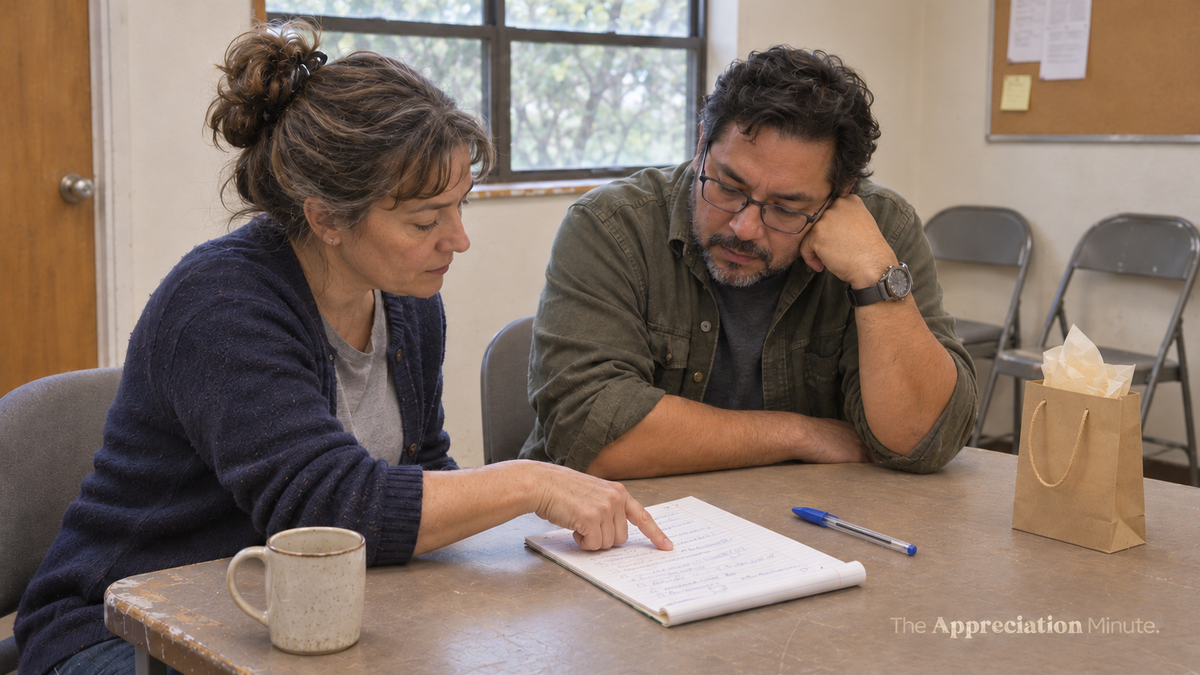
An employee has been carrying additional responsibilities for months.
They’ve stayed late, filled gaps, and kept important work moving while the team was short-staffed.
At the next team meeting, their manager thanks them publicly, hands them a small gift, and invites the team to applaud.
The gesture is sincere.
It may also answer a question the employee wasn’t asking.
What they may want to know is whether anyone will take some of the work off their plate, or whether their title and pay will catch up with the job they’re doing.
Appreciation matters. So does what happens after the applause.
Four practices, four different messages
Appreciation tells someone they matter.
Recognition names what they contributed.
A reward gives them something tangible to mark a contribution, result, or milestone.
Compensation is what they’re paid for the work and responsibilities they take on.
Those are four ways to think about what a response communicates. In its Total Rewards model, WorldatWork treats recognition and compensation as distinct elements, alongside benefits, well-being, and careers. Its definition of compensation includes both fixed and variable pay, so there can be overlap. A bonus can reward a result and be part of someone’s compensation.
Appreciation acknowledges the person
Think about the friend who listens without trying to fix everything, or the colleague whose steadiness makes a hard week feel manageable. There may be no milestone to celebrate. You can still tell them what it means to have them there.
“I’m glad you’re here. I can think out loud with you, even when I don’t have it all figured out.”
That can mean a great deal to someone who mostly hears from people when they need something done.
Recognition names the contribution
Recognition gives someone a chance to hear what you saw them do and why it mattered.
“You noticed the client was confused, slowed the conversation down, and helped everyone leave with a clear next step.”
“Great job” can be encouraging. The specific version tells the person that you saw the care they took, including the part that might have been easy to miss.
A reward gives you a way to mark the contribution
A gift, an experience, or a bonus can help celebrate something worth marking. The words that go with it give the gesture meaning.
If you’re giving someone a gift after a demanding project, tell them what you saw them do. A small gift can carry a specific message when the recipient knows why you chose to give it.
Fair pay and a manageable workload deserve their own conversation
Go back to the employee who’s been filling gaps for months. Their manager could tell them what they noticed.
“When we were short-staffed, you took over the client handoffs and made sure people knew who to call. That kept clients from having to chase us for answers.”
Then the manager could ask what can come off the employee’s plate this week and take responsibility for reassigning it. If the extra duties are becoming a permanent part of the role, the next conversation should cover responsibilities, title, and pay.
A bonus could mark what the employee did during a difficult stretch. The pay conversation addresses the work they’re being asked to do going forward. Both can matter to the same person.
Volunteers can be under-supported, too
Think about the volunteer who gets called every time there’s a gap. A specific thank-you might mean a lot to them. So might hearing, “I’ve asked someone else to cover next week. You’ve been doing this on your own for a while, and we’re going to share it from here.”
Community organizations often run on generosity. Part of appreciating that generosity is making it possible for people to step back and come back when they’re ready.
Ask what this person needs
- What do I want this person to know I value or noticed?
- What would meaningfully acknowledge what they contributed?
- What needs to change about their workload, support, or pay?
You may need more than one answer.
Sometimes appreciation asks us to say thank you.
Sometimes it asks us to stop thanking people for enduring what we have the power to change.